Why Spring Is the Riskiest Season for a Bloomington Basement
Spring in southern Indiana brings a predictable but powerful combination: saturated soil, steady rain, and rapidly changing temperatures. For homeowners in Bloomington, that mix creates some of the toughest conditions a basement will face all year. The ground around your foundation can only absorb so much water before the excess starts looking for the path of least resistance, and that path is often through your basement walls or floor.
What makes this season especially tricky is that the problem is rarely just rain falling on your roof. Bloomington's rolling terrain means water from higher ground drains toward lower lots, and homes built into hillsides or at the bottom of a slope collect runoff from properties above them. Add in the fact that many neighborhoods have older drainage infrastructure that can back up during heavy storms, and you have a recipe for Bloomington spring basement flooding that catches even careful homeowners off guard.
How Hillside Runoff and a Rising Water Table Work Against You
Two forces drive most spring basement water problems, and they often arrive together. The first is surface runoff. When rain falls faster than the ground can absorb it, water sheets across lawns and driveways and pools against foundation walls. On a hillside lot, that runoff gains volume and speed as it moves downhill, which means the soil around your foundation can become saturated within hours of a heavy storm. That is the classic setup for a heavy rain basement flood, especially if your gutters discharge too close to the house or your grading slopes back toward the foundation.
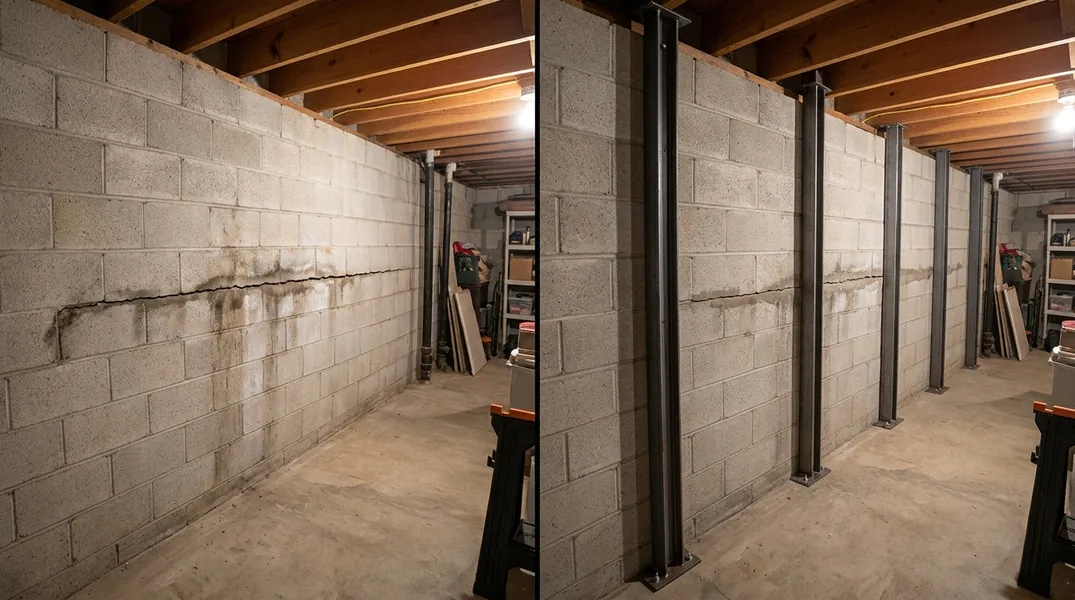
The second force is the water table. In wet springs, the groundwater level beneath your home can rise significantly, pushing water up through the basement floor and creating dampness that never quite dries out. This rising water table basement issue is easy to miss because it does not always look dramatic. You might notice efflorescence (a white powder) on the walls, a musty smell, or small cracks that weep after storms. Left alone, that persistent moisture weakens masonry and creates ideal conditions for mold. Understanding which force is affecting your home is the first step in effective runoff basement water management.
Basement Flood Prevention: What You Can Do Before the Next Storm
Not every flooding problem requires a major project, and good basement flood prevention starts with simple site maintenance. Clean your gutters and downspouts each spring so roof water moves away from the house instead of pouring down the foundation. Extend downspout discharge at least six feet from the wall, and check that the soil around your foundation slopes away at a gentle grade. If you have window wells, keep them clear of leaves and consider covers to keep rain from pooling against basement windows.
Inside the basement, move stored items off the floor and onto shelving so a small water event does not become a costly loss. Check for cracks in the walls and floor, and note whether they seem to widen or weep after storms. These observations are valuable when you talk with a professional, because they point to where water is entering. For homeowners who want a permanent solution rather than seasonal patchwork, Basement Waterproofing addresses the source of the problem instead of just the symptoms. A properly designed system manages both surface runoff and groundwater, which matters in a region where both are active every spring.
Interior and Exterior Solutions for Seasonal Water
The right fix depends on where the water is coming from. If water is seeping through the floor and wall joints, an Interior Drain Tile System captures it beneath the slab and directs it to a sump pump, keeping the basement dry even during prolonged spring rains. This approach works well for rising water table issues and is less disruptive than excavating around the entire foundation. It also gives you a reliable way to handle the slow, persistent moisture that many Bloomington basements struggle with.
When the problem is exterior, such as saturated soil pressing against the walls or runoff pooling at the foundation, Exterior Basement Waterproofing may be the better answer. That can involve improving drainage around the foundation, sealing the exterior walls, and redirecting water before it ever reaches the basement. In many homes, the most effective plan combines both approaches. A thorough Foundation Waterproofing assessment will identify the entry points and recommend a solution matched to your property's slope, soil, and drainage patterns. Homeowners in nearby communities like Ellettsville and Spencer face similar hillside conditions, so the same principles apply across the region.
Basement Waterproofing Near Me: When to Call a Professional
Some spring dampness is normal, but certain signs mean it is time to bring in an expert. If you see standing water after storms, notice cracks that weep or widen, smell mustiness that does not go away, or find that your sump pump runs constantly, those are signals that the current drainage is not keeping up. Waiting usually makes things worse, because repeated wetting and drying cycles weaken foundation materials and can turn a manageable repair into a major one.
Choosing a local contractor matters in a place with Bloomington's specific soil and weather patterns. A company that works in this area every season understands how hillside runoff behaves and which solutions hold up through Indiana springs. Bloomington Waterproofing offers inspections and clear recommendations, and you can request a free estimate to understand your options before committing to anything. If you want to discuss pricing or schedule a visit, call (812) 778-1405 and the team can walk you through the next steps.
Planning Ahead for a Dry Basement Next Spring
The best time to address spring water problems is before the spring rains arrive. Fall and winter are ideal for inspections and repairs because the ground is more workable and contractors have more availability. A proactive approach also lets you test your sump pump and drainage system during dry weather, so you are not discovering a failure in the middle of a storm. Homeowners in Gosport and throughout the Bloomington area can benefit from a seasonal checkup that catches small issues early.
Think of basement waterproofing as part of routine home maintenance, like cleaning gutters or servicing the furnace. A dry basement protects your stored belongings, improves indoor air quality, and preserves the structural integrity of your home. Whether you need a simple drainage improvement or a full waterproofing system, the goal is the same: keep seasonal water outside where it belongs. Reach out to Bloomington Waterproofing at (812) 778-1405 to schedule an assessment and get ahead of the next rainy season.
Looking for a professional basement waterproofing contractor in Bloomington? Bloomington Waterproofing responds fast for all your basement waterproofing needs.
Get a Free QuoteOur services: Basement Waterproofing · Interior Drain Tile System · Exterior Basement Waterproofing